




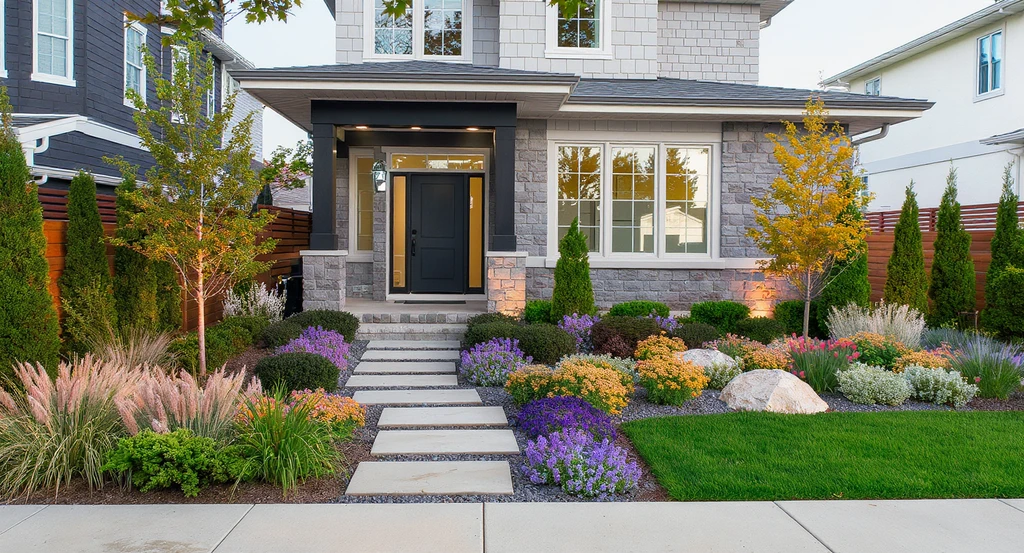
Low Maintenance Front Yard Landscaping The Ultimate Guide to Effortless Curb Appeal
Low Maintenance Front Yard Landscaping Creating an eye-catching, lush front yard doesn’t have to mean sacrificing your weekends to endless mowing, weeding, and watering. With strategic planning, smart plant selection, and modern hardscaping, you can achieve a stunning home exterior that practically takes care of itself.
Low maintenance front yard landscaping has become a top priority for busy homeowners, eco-conscious individuals, and anyone looking to boost curb appeal with minimal effort. This comprehensive guide breaks down everything you need to know about designing, planting, and maintaining an effortless, high-impact front yard.
Why Shift to Low Maintenance Landscaping?
Investing in a low-upkeep landscape design is about more than just convenience—it’s a smart long-term decision for your wallet, property value, and the environment.
- Saves Time & Money: Less turf grass means significantly lower water bills, fewer trips to buy fertilizers, and reduced power consumption for lawnmowers.
- Eco-Friendly & Sustainable: Drought-tolerant native plants require fewer chemical treatments and conserve vital water resources.
- Year-Round Visual Appeal: By relying heavily on evergreens, hardscapes, and perennial ground covers, your yard maintains structure even during winter months.
- Instant Property Value Boost: A clean, stylish, and easily maintained front yard creates an inviting first impression for visitors and prospective buyers alike.
4 Core Pillars of Effortless Front Yard Design
To build a yard that demands minimal upkeep, focus your initial layout around these four foundation strategies:
1. Reduce or Eliminate Traditional Lawn Grass
Standard lawns are the single biggest time sink Low Maintenance Front Yard Landscaping in residential landscaping. Replacing turf with alternative ground covers, clover, gravel, or expansive garden beds drastically cuts down weekly labor.
2. Embrace Hardscaping Elements
Hardscape materials add permanent structural beauty without needing water, fertilizer, or trimming.
- Paver Walkways & Flagstone Paths: Create clean pathways that guide guests to your front door.
- Decorative Gravel & River Rock Beds: Excellent for suppressing weeds and managing water drainage around plant bases.
- Retaining Walls & Raised Beds: Define garden spaces clearly while making soil management easier.
3. Incorporate Drip Irrigation & Smart Timers
Ditch the manual hoses and oscillating sprinklers. Installing a simple drip irrigation system delivers water directly to plant roots with zero waste. Pairing it with a smart, weather-sensing controller ensures your plants are watered only when necessary.
4. Mulch Heavily and Correctly
A 2-to-3-inch layer of organic wood mulch or bark acts as a natural shield:
- It locks moisture into the soil, reducing watering frequency.
- It blocks sunlight from reaching weed seeds, stopping unwanted growth before it starts.
- It breaks down slowly over time, enriching the soil naturally.
Recommended Plants for Low-Upkeep Front Yards
Choosing climate-appropriate and resilient plants is the secret to a self-sustaining garden.
| Category | Recommended Plant Types | Why They Work |
| Drought-Tolerant Perennials | Lavender, Coneflower (Echinacea), Sedum (Stonecrop), Blanket Flower | Require minimal water once established; attract beneficial pollinators while resisting pests. |
| Evergreen Shrubs | Boxwood, Dwarf Alberta Spruce, Juniper, Japanese Holly | Retain their foliage and structural color year-round with very little seasonal pruning required. |
| Low-Growing Ground Covers | Creeping Thyme, Lamb’s Ear, Vinca Minor, Ajuga | Form dense, living carpets that crowd out weeds and thrive without frequent mowing. |
| Ornamental Grasses & Succulents | Blue Fescue, Feather Reed Grass, Agave, Yucca | Add texture, movement, and modern architectural elegance while thriving in poor or dry soil. |
Design Ideas to Boost Curb Appeal Easily
Accent with Outdoor Lighting
Low-voltage solar or LED landscape lights along walkways and under accent trees dramatically improve curb appeal at night without increasing energy bills or requiring complex maintenance.
Create a Focal Point
Instead of cluttering your yard with multiple tiny beds, focus on one or two prominent design elements:
- A single, striking specimen tree (e.g., Japanese Maple or Crape Myrtle).
- A large decorative boulder surrounded by ornamental grasses.
- A low-maintenance water fountain with a closed-loop recirculating pump.
💡 Design Tip: Use the Rule of Three when arranging plants or rocks. Grouping elements in odd numbers creates a more natural, visually pleasing aesthetic compared to rigid, symmetrical layouts.
Simple Seasonal Maintenance Checklist
Even low-maintenance yards need a little touch-up now and then. Here is a realistic schedule to keep things looking pristine:
- Spring (1–2 Hours): Top off mulch, clear out winter debris, cut back dead perennial stalks, and turn on the irrigation system.
- Summer (30 Minutes/Month): Do a quick walk-through to pull isolated weeds, check drip lines for leaks, and lightly trim dead flowers (deadheading).
- Autumn (1 Hour): Rake up heavy leaf fall (or mulch leaves directly onto beds) and shut down irrigation before freezing temperatures hit.
- Winter (0 Hours): Sit back, relax, and enjoy the evergreen structure of your yard!
Common Mistakes That Increase Maintenance
Avoid these simple traps when redesigning your front yard:
- Overplanting: Planting shrubs too close together forces you to prune constantly once they mature. Always check the tag for the plant’s full-grown spread.
- Ignoring Soil Health: Adding compost before planting ensures strong root development, making plants naturally disease-resistant.
- Choosing High-Maintenance Non-Natives: Exotic plants often require constant fertilizing, pest management, and excessive watering compared to native options.
Frequently Asked Questions (FAQs)
What is the most low-maintenance alternative to grass in a front yard?
Ground covers like Creeping Thyme or Clover are ideal living alternatives that rarely require mowing. For non-plant options, a combination of decomposed granite, river rock, and mulched plant beds offers a clean, ultra-low-maintenance look.
How much does it cost to convert a yard to low-maintenance landscaping?
Costs vary depending on whether you DIY or hire professionals. Replacing grass with mulch, gravel, and basic native perennials can cost between $1,500 and $4,000 for a standard front yard. However, long-term savings on water, lawn service, and fertilizers usually offset the upfront investment within a few seasons.
Is low-maintenance landscaping suitable for rainy or cold climates?
Yes! Low-maintenance design isn’t just for desert regions (Low Maintenance Front Yard Landscaping). In rainy climates, using well-draining gravel beds, rain gardens, and cold-hardy native evergreens prevents root rot and eliminates waterlogging while keeping upkeep low.
Conclusion: Transform Your Curb Appeal Today
A breathtaking front yard shouldn’t come at the cost of your free time. By swapping out high-maintenance lawn grass for hardscaping, protective mulch, drip irrigation, and resilient native plants, you can enjoy maximum curb appeal with minimal effort.