




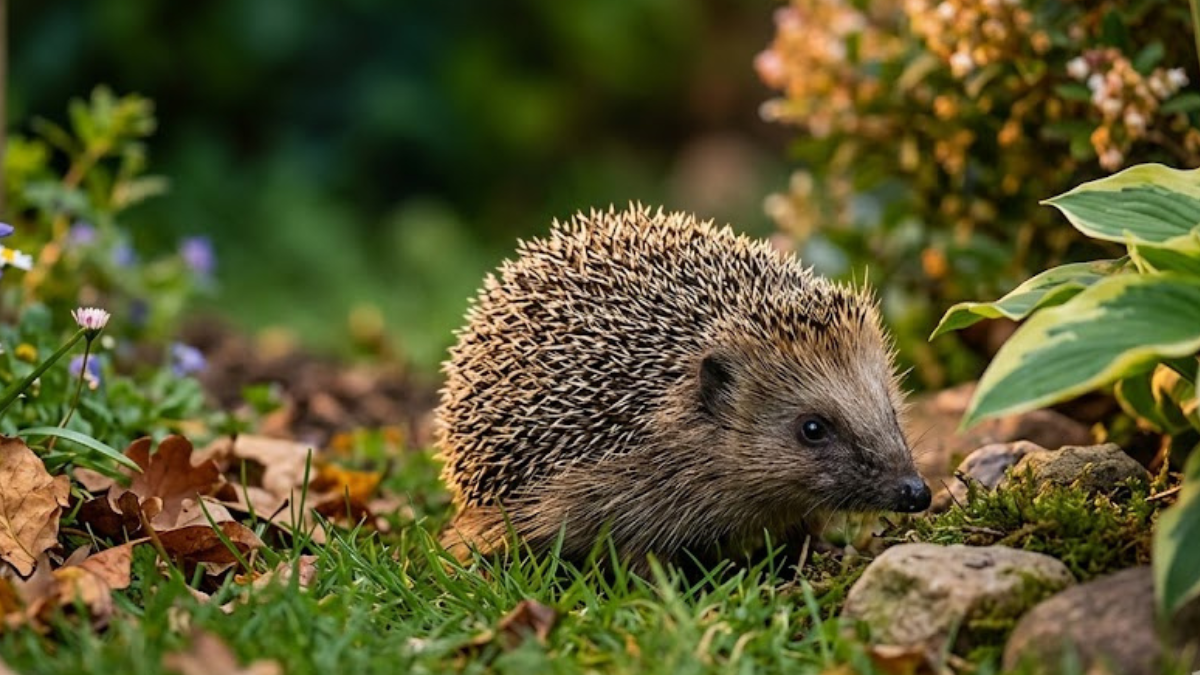
Is It Lucky to Have a Hedgehog in Your Garden? The Spiritual, Cultural, and Ecological Meaning
The sight of a small, prickly creature scurrying through your garden at dusk is a magical moment for any homeowner. As they sniff around under the cover of darkness, many people stop and ask: Is it lucky to have a hedgehog in your garden?
While the answer is rooted in centuries of folklore and superstition, there is a modern, scientific twist to this question. Beyond the ancient myths, a hedgehog’s presence is a living indicator of a thriving, healthy, and biodiverse ecosystem. In this comprehensive guide, we will explore the spiritual symbolism, cultural history, and the very real ecological benefits of hosting these “gardeners of the night.”
The Folklore: Is It Lucky to Have a Hedgehog in Your Garden?
For generations, rural communities—particularly in the UK and Europe—have viewed the hedgehog as a harbinger of good fortune. Unlike some animals that were historically associated with witchcraft or omens, the hedgehog has consistently maintained a reputation as a “gentle neighbor.”
Historical Beliefs and Good Omens
In many traditions, encountering a hedgehog was seen as a sign of impending prosperity. Because hedgehogs are industrious foragers, their presence was believed to attract positive energy to a home. They were considered “grounded” spirits, connected to the Earth, and their ability to thrive in the wild was seen as a blessing for the land they inhabited.
Protection and Boundaries
The hedgehog’s primary defense mechanism—curling into a tight, prickly ball—has made them symbols of protection. In spiritual circles, having a hedgehog in your garden is thought to signify that your space is a “safe harbor.” It suggests that your garden acts as a sanctuary, not just for the hedgehog, but for the peaceful energy you wish to cultivate in your own life.
The Science of Luck: Why Hedgehogs Are a “Real-World” Benefit
While superstition plays its part, there is a logical reason why hedgehogs represent “luck.” A garden that can sustain a wild hedgehog is, by definition, a healthy garden. If a hedgehog chooses your outdoor space, it means you have succeeded in creating a balanced environment.
1. Natural Pest Control (The Gardener’s Best Friend)
If you are worried about pests destroying your flower beds or vegetable patches, a hedgehog is the ultimate, organic solution. They are voracious predators of slugs, snails, beetles, and caterpillars. Instead of relying on chemical pesticides that can damage your soil, having a hedgehog is a natural form of pest management that keeps your garden thriving.
2. Evidence of Biodiversity
Hedgehogs are sensitive creatures. They do not visit gardens that are sterile, heavily sprayed with chemicals, or devoid of natural food sources. Their presence is a biological “seal of approval,” indicating that your garden has a rich food web that supports insects, healthy soil, and diverse plant life.
New Perspective: The Psychological Benefits of Hedgehog Watching
Recent studies in environmental psychology suggest that “wildlife watching” reduces cortisol levels (the stress hormone). Observing the slow, deliberate movements of a hedgehog in the quiet of the night provides a meditative experience. Many gardeners find that simply “being” in the garden with their nocturnal guests helps them disconnect from the fast-paced, digital world, adding a layer of mental health “luck” to the experience.
How to Make Your Garden a Hedgehog Haven
If you want to increase your “luck” and ensure these visitors keep coming back, you must turn your garden into a habitat that meets their specific survival needs.
To learn more about how to protect these fragile creatures and to find specialized resources, you can visit the British Hedgehog Preservation Society for expert guidance on wildlife conservation.
1. Create a “Hedgehog Highway”
Hedgehogs roam over a mile every night in search of food. High fences and solid walls prevent their movement. By creating a 13cm x 13cm hole at the base of your fence—often called a “Hedgehog Highway”—you allow them to travel between gardens safely.
2. Provide Safe Shelter
Hedgehogs need dry, warm places to sleep during the day and hibernate during the winter. You can provide this by:
- Leaving a “Wild Corner”: A pile of logs, dead leaves, and untrimmed branches creates the perfect natural nesting site.
- Installing a Hedgehog House: You can purchase or build a sturdy wooden shelter placed in a quiet, undisturbed part of the garden.
3. Hibernation Safety
During late autumn and winter, hedgehogs enter hibernation. It is crucial to check any brush piles or compost heaps before moving them with a fork, as a hibernating hedgehog could be nesting inside. This care is the ultimate act of respect for these creatures.
4. Avoid Harmful Chemicals
The biggest threat to hedgehogs is the use of slug pellets and lawn chemicals. These toxins accumulate in the insects the hedgehogs eat, leading to secondary poisoning. By switching to organic gardening methods, you ensure your garden remains a safe haven for your prickly visitors.
Important: What You Should NEVER Feed Hedgehogs
Many people want to help these visitors by providing food, but you must be careful.
- NEVER give them milk: Hedgehogs are lactose intolerant. Milk can make them severely ill.
- DO NOT feed them bread: It offers no nutritional value and can lead to malnutrition.
- DO provide: A shallow bowl of fresh water and, if necessary, high-quality meat-based cat food (wet or dry).
Common Myths vs. The Reality
- Myth: Hedgehogs are dangerous or carry diseases.
- Fact: They are shy, harmless animals. While they are wild, they pose no threat to humans or household pets.
- Myth: Hedgehogs can be kept as pets.
- Fact: Hedgehogs are wild animals. They need a complex outdoor environment to thrive. Keeping them captive is detrimental to their health.
Conclusion: The Modern Meaning of Luck
So, is it lucky to have a hedgehog in your garden? Spiritually, yes—it is a sign of peace and protection. Ecologically, it is a sign of success—it means you have cultivated a space that truly supports the natural world. By welcoming the hedgehog, you are not just gaining a garden visitor; you are taking an active role in wildlife conservation.
Frequently Asked Questions (FAQ)
Q1. What does it mean spiritually when a hedgehog visits your garden? Spiritually, the hedgehog represents grounding, patience, and self-protection. Seeing one is often interpreted as a sign to slow down, be mindful, and trust that your home is a protected, balanced environment.
Q2. Is it bad luck to see a dead hedgehog? No, it is not “bad luck.” However, it is a signal that your local area may be dangerous for wildlife. It serves as a reminder to make your garden a safer sanctuary and advocate for “hedgehog highways” in your neighborhood.
Q3. How can I tell if a hedgehog is healthy? A healthy hedgehog is active at night, moves with purpose, and doesn’t appear wobbly or injured. If you see a hedgehog out during the middle of the day, it is often a sign of illness or injury, and you should contact a local wildlife rescue center immediately.
Q4. Why do hedgehogs curl into a ball? It is their natural defense mechanism against predators. It protects their soft underbelly and exposes their sharp spines, making them impossible for most predators to handle.
Q5. Do hedgehogs bring fleas? Yes, hedgehogs carry their own species of fleas, but these fleas do not typically infest humans or domestic pets like cats and dogs. You do not need to worry about them “infesting” your home.
Q6. Do hedgehogs eat all my garden plants? No, they are primarily insectivores. They feed on slugs, snails, and beetles, which actually helps your plants survive and grow better. They are a gardener’s best friend.
To discover more interesting facts about wildlife and lifestyle trends across the United Kingdom, check out our latest guides on our blog. For more updates, feel free to explore our UK Lifestyle Section for more expert advice and trending stories.