



Introduction to Sunbed Tanning and Safe Exposure
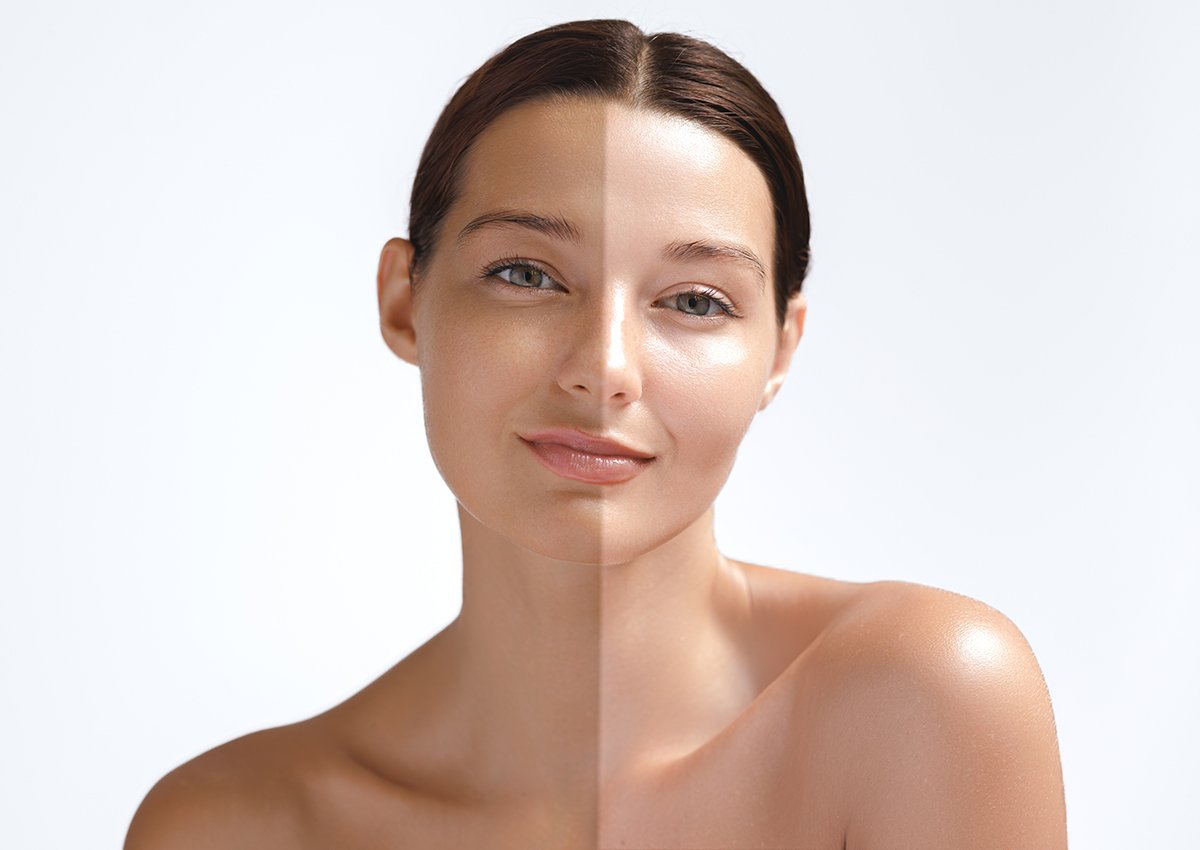
Understanding how many sunbed sessions to get a tan is one of the most common concerns for people who are new to artificial tanning. Sunbeds use controlled ultraviolet light to stimulate melanin production in the skin, which gradually leads to a darker complexion. However, the process is not instant, and the number of sessions required varies from person to person depending on skin sensitivity, lifestyle, and tanning goals. A slow and steady approach is always more effective than trying to rush results in a short period of time.
When considering how many sunbed sessions to get a tan, it is important to remember that every skin type reacts differently to UV exposure. Some people may notice slight changes after just a few sessions, while others need a longer period of consistent exposure. The main goal should always be achieving an even and natural-looking tone while minimizing the risk of irritation or damage. Safe tanning is not about speed but about control and awareness of how the skin responds over time.
Skin Type and Its Impact on Tanning Speed
One of the biggest factors influencing how many sunbed sessions to get a tan is skin type. Fair skin tends to be more sensitive to UV light and may burn more easily, meaning it requires shorter sessions and a slower progression. On the other hand, medium to darker skin tones often respond more quickly and can develop visible results in fewer sessions. This variation is why there is no universal number of sessions that works for everyone.
Another important aspect is how the skin naturally produces melanin. Melanin is responsible for pigmentation, and its production rate determines how quickly a tan appears. When people ask how many sunbed sessions to get a tan, they are essentially asking how long it takes for melanin to build up in response to controlled UV exposure. This biological process cannot be rushed safely, and forcing it often leads to uneven results or skin stress that may take time to recover.
Recommended Approach for Beginners
For beginners trying to understand how many sunbed sessions to get a tan, the safest method is to start with very short exposure times and gradually increase intensity over several sessions. Typically, early sessions are spaced out over the week to give the skin enough time to adapt. This allows the body to slowly build tolerance while reducing the chances of redness or discomfort.
As the sessions continue, users often begin to notice a subtle glow before developing a deeper tan. The question of how many sunbed sessions to get a tan does not have a fixed answer, but most people start seeing visible results after several consistent visits. The key is patience, as rushing the process can lead to uneven pigmentation and unwanted skin sensitivity that may slow down progress in the long run.
Importance of Controlled Exposure and Timing
Controlled exposure is essential when evaluating how many sunbed sessions to get a tan safely. Each sunbed machine emits different levels of UV radiation, which means timing and session length must be adjusted accordingly. Overexposure, even in a single session, can cause damage that affects the overall tanning process and skin health.
Timing also plays a crucial role in achieving balanced results. Spacing sessions properly allows the skin to recover and build melanin more effectively. When people repeatedly ask how many sunbed sessions to get a tan, they often overlook the importance of rest periods. Without proper recovery, the skin becomes stressed, which can actually slow down tanning instead of improving it.
Risks Associated With Overusing Sunbeds
While trying to determine how many sunbed sessions to get a tan, many individuals underestimate the risks of excessive use. Overexposure to UV light can lead to dryness, irritation, and long-term skin damage if not managed carefully. Even though sunbeds are controlled environments, they still emit radiation that affects the skin at a cellular level.
Another risk is uneven tanning, which occurs when the skin is exposed too frequently without proper recovery time. This can result in patchy or inconsistent coloring that does not look natural. When thinking about how many sunbed sessions to get a tan, it is essential to prioritize skin health over cosmetic speed. A well-maintained tanning routine always produces better long-term results than aggressive exposure schedules.
Healthy Habits That Improve Tanning Results
Good skincare habits can significantly influence how many sunbed sessions to get a tan effectively. Hydrated skin responds better to UV exposure and develops color more evenly. Using moisturizers regularly helps maintain skin elasticity and reduces dryness that can occur from repeated tanning sessions.
Preparation before tanning is also important. Clean, exfoliated skin allows UV light to interact more evenly with the surface layer, leading to smoother results. When combined with a controlled tanning schedule, these habits can reduce the total number of sessions needed while improving overall appearance. This is why the question of how many sunbed sessions to get a tan is not just about exposure but also about skincare discipline.
Understanding Gradual Tanning Progress
Gradual tanning is the safest and most effective method for achieving long-lasting results. When exploring how many sunbed sessions to get a tan, it becomes clear that consistency matters more than intensity. A slow build-up of color not only looks more natural but also reduces the risk of overexposure and irritation.
As the skin adapts, each session contributes to a deeper and more stable tan. The process works best when users remain patient and avoid increasing session frequency too quickly. Many people make the mistake of accelerating their routine, but this often leads to setbacks rather than faster results. A controlled and gradual approach ensures that the tan develops evenly over time.
Conclusion
The answer to how many sunbed sessions to get a tan depends on multiple factors including skin type, UV intensity, and personal care habits. There is no exact number that applies to everyone, but most individuals begin noticing visible changes after a few consistent sessions. The most important aspect is maintaining a balanced approach that prioritizes skin health while achieving the desired cosmetic effect.
Safe tanning is always about moderation, patience, and awareness. When you understand how your skin reacts and adjust your routine accordingly, you can achieve a natural-looking tan without unnecessary risks. The key is not to rush the process but to allow your skin to develop color gradually and safely over time.