




Difference Between BIAB and Acrylic A Complete Guide to Choosing the Right Nail Enhancement
Understanding BIAB and Acrylic Nails
The difference between BIAB and acrylic is one of the most common questions among people looking for stronger, longer-lasting nails. Both options are popular in nail salons and offer durability beyond traditional nail polish, but they differ significantly in application, appearance, flexibility, and maintenance.
BIAB, which stands for “Builder in a Bottle,” is a gel-based product designed to strengthen and support natural nails. Acrylic nails, on the other hand, are created by combining a liquid monomer with a powder polymer to form a hard protective layer. Understanding these differences can help you choose the best option for your lifestyle and nail goals.
What Is BIAB?
When discussing the difference between BIAB and acrylic, it is important to understand what BIAB actually is. Builder in a Bottle is a strengthening gel that is applied directly to the natural nail and cured under a UV or LED lamp. It creates a protective coating that helps natural nails grow while reducing breakage.
Many people choose BIAB because it offers a more natural look and feel. The product is flexible compared to acrylic, allowing it to move slightly with the natural nail. This flexibility often makes BIAB more comfortable for everyday wear and less likely to crack under minor stress.
What Are Acrylic Nails?
Another key part of understanding the difference between BIAB and acrylic is learning how acrylic nails work. Acrylic is created by mixing a liquid and powder together, forming a durable substance that hardens when exposed to air. This material can be sculpted into various shapes and lengths.
Acrylic nails are known for their strength and durability. They are often preferred by individuals who want significant nail extensions or dramatic nail designs. Because acrylic forms a harder coating than BIAB, it is especially popular among those who need extra protection for weak or damaged nails.
Key Differences Between BIAB and Acrylic
The most noticeable difference between BIAB and acrylic is the application process and final result. BIAB focuses on strengthening natural nails, while acrylic is often used to create longer nail extensions and more dramatic transformations.
| Feature | BIAB | Acrylic |
|---|---|---|
| Material | Gel-based | Powder and liquid |
| Flexibility | More flexible | More rigid |
| Natural Appearance | Very natural | Slightly thicker |
| Nail Extensions | Limited | Excellent |
| Removal Process | Soak-off method | Filing and soaking |
| Strength | Strong | Very strong |
This comparison helps highlight why different clients prefer different systems depending on their needs.
Durability and Longevity
When considering the difference between BIAB and acrylic, durability is often a major factor. Acrylic nails are generally stronger and can withstand heavy daily use. They are less likely to bend and are often the preferred option for people who use their hands extensively.
BIAB is also durable but offers more flexibility. While it may not be as hard as acrylic, many users appreciate that it feels more like a natural nail. With proper maintenance, both BIAB and acrylic can last several weeks before requiring infills or touch-ups.
Appearance and Natural Look
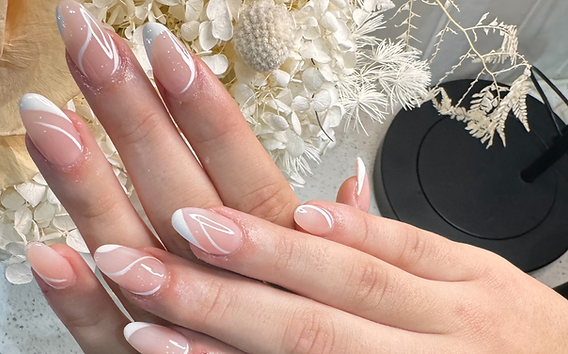
A significant difference between BIAB and acrylic is the overall appearance. BIAB tends to create a thinner, more natural-looking finish. This makes it popular among people who want healthy-looking nails without obvious enhancements.
Acrylic nails often appear thicker because of the material used and the ability to create dramatic shapes and lengths. While modern acrylic techniques can look very natural, BIAB is generally considered the better option for achieving a subtle and elegant appearance.
Maintenance Requirements
Maintenance is another important factor when comparing the difference between BIAB and acrylic. Both treatments require regular salon visits to maintain their appearance and strength. As natural nails grow, gaps develop near the cuticle area that need to be filled.
BIAB maintenance is often simpler because the product is designed to support natural nail growth. Acrylic nails may require more extensive filing and reshaping during appointments, especially if significant extensions are involved.
Which Option Is Better for Nail Health?
Many people researching the difference between BIAB and acrylic want to know which option is healthier. BIAB is often considered gentler because it works with the natural nail rather than creating extensive extensions. It can help protect nails while encouraging growth.
However, nail health depends largely on proper application and removal. Poorly applied or improperly removed BIAB or acrylic nails can cause damage. Choosing an experienced nail technician is one of the best ways to protect natural nails regardless of the enhancement method.
How to Choose Between BIAB and Acrylic
The best choice depends on your goals and lifestyle. If you want a natural appearance, flexibility, and support for growing your natural nails, BIAB may be the better option. It is especially popular among individuals who prefer a subtle, polished look.
If you want maximum strength, dramatic length, or intricate nail art, acrylic nails may be the better choice. Their durability and versatility make them suitable for people who enjoy bold nail styles and long extensions.
Conclusion
Understanding the difference between BIAB and acrylic helps you make an informed decision based on your personal preferences. BIAB offers a natural, flexible finish that supports healthy nail growth, while acrylic provides exceptional strength and the ability to create longer, more dramatic nails.
Both options have unique advantages, and neither is universally better than the other. By considering your lifestyle, maintenance preferences, and desired appearance, you can choose the nail enhancement that best meets your needs.
FAQs
What is the main difference between BIAB and acrylic?
BIAB is a gel-based strengthening product, while acrylic is made from a powder and liquid mixture that hardens into a strong nail enhancement.
Which lasts longer, BIAB or acrylic?
Both can last several weeks, but acrylic is generally considered more durable.
Is BIAB more natural-looking than acrylic?
Yes, BIAB typically creates a thinner and more natural appearance.
Can BIAB be used for nail extensions?
BIAB can create minor extensions, but acrylic is better suited for longer nail enhancements.
Which is better for weak nails?
Many people prefer BIAB for weak nails because it supports natural nail growth while providing protection.